
APPLICATIONS OF OPEN-CELL FOAM CARBON
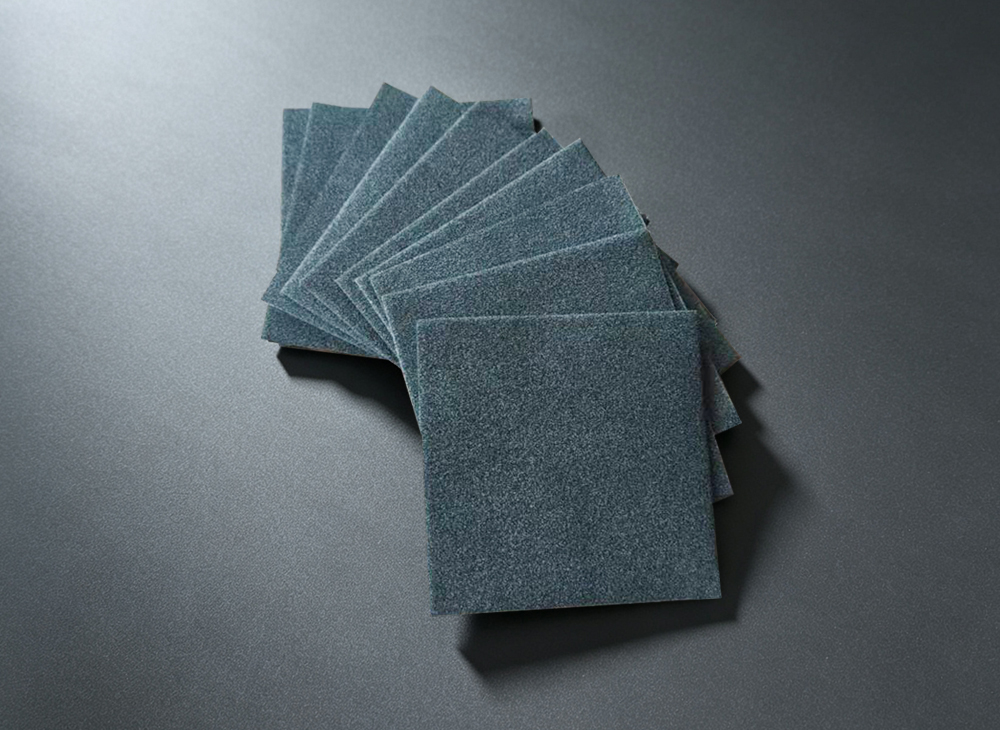

APPLICATIONS OF OPEN-CELL FOAM CARBON
Application Scenarios
● Electrochemical Industry [Largest Mature Commercial Market]
● Hydrogen Energy Equipment
● High-Temperature Filtration and Catalytic Industries
● Aerospace and Defense
● Thermal Management (Note: Distinguish Between Models)
● Acoustic Noise Reduction
● Biopharmaceuticals and Laboratories
● Other Niche Applications
Core Characteristics of Open-Cell Foam Carbon
Three-dimensional interconnected through-pores (controllable PPI ranging from 10 to 100), ultra-high porosity (up to 97%), electrical conductivity, acid and alkali corrosion resistance, high temperature resistance; fluids can freely flow through the skeletal framework.
Electrochemical Industry (Largest Mature Commercial Market)
① Three-dimensional porous electrodes for flow batteries (vanadium / iron-chromium / zinc-bromine flow energy storage)
Compared with carbon felt, it resists compression and maintains stable flow channels with evenly distributed electrolyte, serving as the mainstream upgraded electrode material for large-scale energy storage power stations.
② Porous transport layers and electrode substrates for water electrolysis hydrogen production (PEM / alkaline electrolyzers)
Provides diffusion pathways for gas and liquid, and supports catalyst loading; resistant to strong acids and alkalis.
③ Electrodes for electrocatalytic wastewater treatment, heavy metal electrodeposition recovery, and electrochemical sensors
④ Three-dimensional conductive frameworks for supercapacitors and sodium-ion batteries
Hydrogen Energy Equipment
① Gas filtration and hydrogen purification components
High-temperature impurity filtration and oil-water separation for hydrogen.
② Flame arrestor and flameless venting buffer substrate (cutting-edge application)
The interconnected open-cell carbon skeleton quenches flames and dissipates shockwaves. Advantages over aluminum foam: superior high-temperature resistance, anti-oxidation performance, flame retardancy without melting, suitable for venting devices of hydrogen and combustible gases.
Comparison Note: Aluminum foam delivers excellent energy absorption at room temperature but oxidizes and softens above 500°C; open-cell foam carbon can withstand temperatures exceeding 2000°C in an inert atmosphere.
③ Gas diffusion carriers for fuel cells and supporting skeletons for SOFC solid oxide fuel cells
High-Temperature Filtration & Catalysis Industry
① Monolithic catalyst carriers for high-temperature corrosive flue gas
VOC catalytic combustion and denitrification; open pore channels offer low air resistance and high catalyst loading capacity.
② Filtration of molten metals, molten salts, and high-temperature industrial chemical fluids
③ Industrial oil-water separation and adsorption of organic pollutants
Aerospace & National Defense Military Industry
① High-temperature thermal insulation, thermal protection and ablative substrates
Thermal insulation components for aircraft and wind tunnel tooling.
② Sandwich core materials for wave-absorbing stealth materials
The porous structure can be compounded with wave-absorbing agents to fabricate radar absorbing panels.
③ Energy-absorbing materials for explosion shock buffering and explosion-proof interlayers
④ Lightweight sandwich panel core materials (alternative to aluminum honeycomb for high-temperature operating conditions)
Thermal Management (Distinguish Material Grades for Selection)
① Thermal runaway flame-retardant insulation layers for power battery packs (Class A non-combustible, no toxic flue gas at high temperatures)
② Composite skeletons for phase-change heat dissipation (impregnated with paraffin PCM, used for temperature control of high-power power supplies and lasers)
Acoustic Noise Reduction
High-temperature sound-absorbing materials for high-temperature power equipment, industrial furnaces and aero-engine compartments. Ordinary polyurethane foam can only be used at room temperature, while open-cell foam carbon enables long-term high-temperature noise absorption.
Biomedicine & Laboratory Applications
① Porous scaffolds for bone repair (biologically inert, controllable pores induce cell growth)
② Standard electrolytic reaction electrodes for laboratories
Other Niche Application Scenarios
① Porous supports for vacuum equipment and substrates for plasma discharge
② Lightweight tooling for high-temperature metallurgical furnaces
Key Material Selection Comparison: Open-Cell Foam Carbon vs. Open-Cell Aluminum Foam
| Material | Core Advantages | Disadvantages | Recommended Application Scenarios |
|---|---|---|---|
| Open-Cell Foam Carbon | Ultra-high temperature resistance, corrosion resistance, non-combustible, conductive, oxidation-free | High brittleness, difficult machining, higher cost | Hydrogen venting, electrochemical electrodes, high-temperature filtration, military high-temperature working conditions |
| Open-Cell Aluminum Foam | Good toughness, easy processing, room-temperature heat dissipation, moderate cost | Oxidizes above 500°C, combustible, poor acid & alkali resistance | Server panels, room-temperature noise reduction, general ventilation & heat dissipation |
If you would like to order custom metal foam or porous metal, please call Huayan Intelligent Technology at +8613661985902,Email: admin@hy-metalfoam.com


GET CUSTOMIZED
METAL FOAM SOLUTIONS
-
Add:No. 6-1, Fengshanzui Road, Longshan Town, Yongkang City, Zhejiang Province
-
M.T.:+86 13661985902
-
Fax:0571-88888888
-
Tel:0571-88888888
-
E-mail:admin@hy-metalfoam.com
Contact us
Customization Materials
